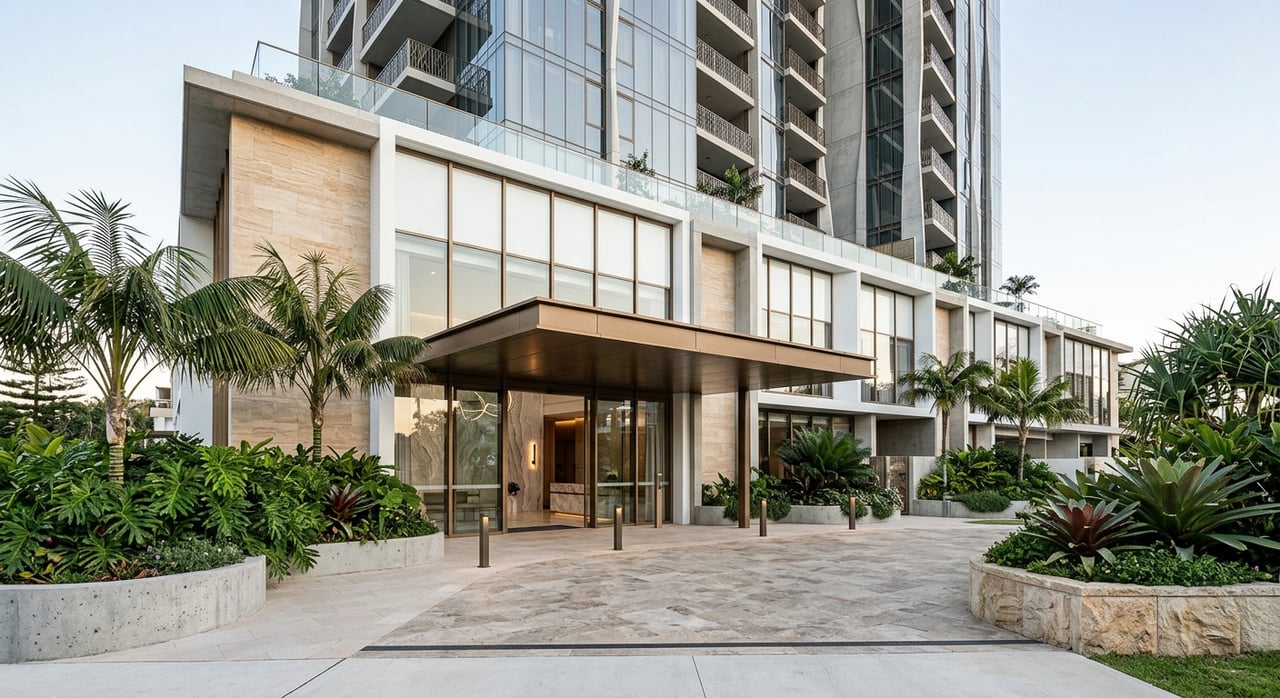
Wondering what everyday life in a Downtown Miami high-rise actually feels like? If you are considering a move, a rental, or a condo purchase here, it helps to picture more than the view from the balcony. You want to know how the neighborhood works day to day, how easy it is to get around, and whether the pace fits your lifestyle. Let’s dive in.
Downtown Miami Feels Like a True Urban Core
Downtown Miami is best understood as a mixed-use, walkable urban district. The City of Miami’s planning approach emphasizes compact design, walkability, and mixed-use development, and the local downtown guide frames the area as a live-work-play district that includes Brickell, the Central Business District, and the Arts & Entertainment District.
In practical terms, that means your home life, work life, errands, dining, and downtime can often happen within a relatively small radius. Rather than a low-density residential pattern, Downtown Miami is shaped around movement, activity, and convenience.
For many buyers and renters, that is the appeal. You are not choosing a quiet suburban rhythm. You are choosing a more connected, vertical lifestyle where the building, the street, and the surrounding district all play a role in your daily routine.
What a Typical Day Can Look Like
Downtown Miami tends to feel most active during the middle of the day and again after work. That pattern reflects the area’s office concentration, pedestrian traffic, and street-level business activity.
The City of Miami’s East Flagler Street beautification project helps show where the district is heading. Expanded sidewalks, improved lighting, signage, public art, and outdoor dining all point to a stronger street experience designed for walking, meeting, and lingering.
If you live in a high-rise here, a normal weekday may feel very efficient. You might head downstairs for coffee, walk or ride to work, grab lunch nearby, run a quick errand, and still be home in time for a waterfront walk or dinner out.
Why the Street Experience Matters
In a high-rise neighborhood, daily quality of life is not just about the unit itself. It is also about what happens when you leave the lobby.
Downtown Miami’s streets are built to support foot traffic and short-radius routines. If you value being able to step out and immediately access transit, parks, lunch spots, or public spaces, that is a major part of the lifestyle here.
Getting Around Without Relying on a Car
One of Downtown Miami’s biggest advantages is its layered transit network. For buyers relocating from out of state or abroad, this can make the adjustment to city living much easier.
The Metromover is often the headline convenience. It is a free elevated transit system with 21 stations serving downtown Miami, Omni, and Brickell, including stops near places like Kaseya Center, Bayside Marketplace, Miami Dade College, and the School Board.
Metrorail expands your reach beyond downtown. It runs through downtown Miami and connects riders to Miami International Airport and other Miami-Dade destinations, with connections to Brightline and Tri-Rail at Historic Overtown Lyric Theatre.
The City of Miami trolley adds another practical option. It serves Downtown Miami, Brickell, and the Biscayne corridor, with major stops including Bayfront Park, Maurice Ferré Park, and Bayside Market.
MiamiCentral Adds Another Layer of Convenience
MiamiCentral reflects the mixed-use nature of the district. It combines residences, offices, retail, transportation, and events in one downtown hub.
For daily life, that matters. It means transportation is not tucked away from where people live and work. Instead, it is part of the same urban ecosystem, which can make commuting, regional travel, and airport access feel more manageable.
Where You Spend Time Off the Clock
Downtown Miami stands out because its waterfront and cultural destinations are so concentrated. You do not need to travel far to shift from work mode to downtime.
Bayfront Park offers open lawn areas, a seaside path, a sandy beach area, performance venues, and a historic waterfall. Nearby, Bayside Marketplace serves as a waterfront destination for shopping, dining, and entertainment in the heart of downtown.
Maurice A. Ferré Park adds another major open-air setting along Biscayne Boulevard. It is also home to Frost Science, and PAMM sits next to it, with outdoor spaces that help connect the museum, park, and city.
The Adrienne Arsht Center adds a major performing arts anchor to the district. It is located in downtown Miami, accessible by public transportation, and includes major performance halls, an outdoor plaza, free community events, and year-round programming.
A Realistic Evening Routine
One of the easiest ways to understand Downtown Miami is to picture a full evening without leaving the district. You could finish work, walk through a park, stop for dinner, visit a museum area, or head to a show.
That concentration of options is a real part of the neighborhood’s identity. Evening activity is not just occasional here. It is part of the everyday rhythm of the area.
What High-Rise Living Often Includes
Downtown Miami high-rise living is often closely tied to building amenities. Representative newer towers in the area show how much of the lifestyle can happen within the building itself.
MiamiCentral highlights luxury rental residences, connected offices, and dynamic retail and entertainment uses. The Elser advertises features such as a double-level amenity deck, resort-style pool, coworking spaces, large gyms, concierge service, EV charging, and retail.
While every building is different, these examples help show the broader pattern. Many Downtown Miami towers are designed to support convenience, wellness, work-from-home flexibility, and social time in one place.
Amenities Shape Daily Habits
If you are moving from a more traditional residential area, this can be a meaningful shift. In a high-rise setting, your building may function almost like an extension of the neighborhood.
A morning workout, midday remote work session, quick package pickup, and evening pool break may all happen without leaving the property. That is one reason the lifestyle can feel efficient for busy professionals, renters, and relocation buyers.
Who Downtown High-Rise Living Usually Fits Best
Downtown Miami tends to suit people who want energy, accessibility, and convenience more than a low-density residential atmosphere. It is often a strong fit if you value walkability, easy office access, transit options, dining, and cultural venues close to home.
That can appeal to early-stage buyers, renters, and out-of-state or international relocators who want to be in the center of the action. It can also work well if you prefer a shorter daily routine built around the building lobby, nearby streets, parks, and transit rather than longer drives between activities.
At the same time, lifestyle fit matters. If your priority is a quieter setting with a more residential pace, Downtown Miami may feel very different from what you want. The district’s activity level is part of its identity.
Key Questions to Ask Before You Move
If you are considering a Downtown Miami condo or rental, it helps to evaluate the lifestyle with a practical lens. A beautiful view is only one part of the decision.
Ask yourself:
- Do you want a walkable daily routine?
- How important is access to transit or the airport?
- Would you use amenities like coworking space, a gym, or a pool regularly?
- Do you enjoy being near parks, waterfront paths, museums, and performance venues?
- Are you comfortable with a neighborhood that stays active beyond business hours?
These questions can help you narrow not just the right area, but the right building and block within Downtown Miami.
Why Local Guidance Matters
Downtown Miami is not one single experience. Building style, amenities, transit access, and street activity can vary meaningfully from one pocket to another.
If you are relocating from another city or another country, that local nuance matters even more. You may need help comparing building lifestyles, understanding how the district functions day to day, and deciding whether Downtown fits your work, commute, and social routine.
That is especially true if you are trying to make decisions remotely. A clear, on-the-ground perspective can save time and help you focus on the buildings and micro-locations that match how you actually want to live.
If you are exploring Downtown Miami high-rise living and want practical guidance tailored to your move, Caroline Perez can help you compare neighborhoods, narrow the right building fit, and navigate the process with a calm, relocation-focused approach.
FAQs
What is everyday high-rise living like in Downtown Miami?
- Everyday high-rise living in Downtown Miami usually means a walkable, mixed-use routine with easy access to offices, coffee spots, parks, dining, transit, and after-work activities.
Is Downtown Miami easy to navigate without a car?
- Yes. Downtown Miami has the free Metromover, Metrorail connections, and City of Miami trolley service, which make it easier to get around the district and connect to other Miami-Dade destinations.
What amenities do Downtown Miami high-rises often offer?
- Many Downtown Miami high-rises emphasize amenity-driven living, with features that can include pools, fitness centers, coworking areas, concierge services, EV charging, and street-level retail.
What can you do near Downtown Miami high-rise buildings after work?
- Residents often spend time at Bayfront Park, Maurice A. Ferré Park, Frost Science, PAMM, Bayside Marketplace, and the Adrienne Arsht Center, all of which support a strong after-hours lifestyle.
Who is Downtown Miami high-rise living best suited for?
- Downtown Miami high-rise living often fits buyers and renters who want energy, walkability, transit access, and close proximity to dining, work, waterfront spaces, and cultural venues.