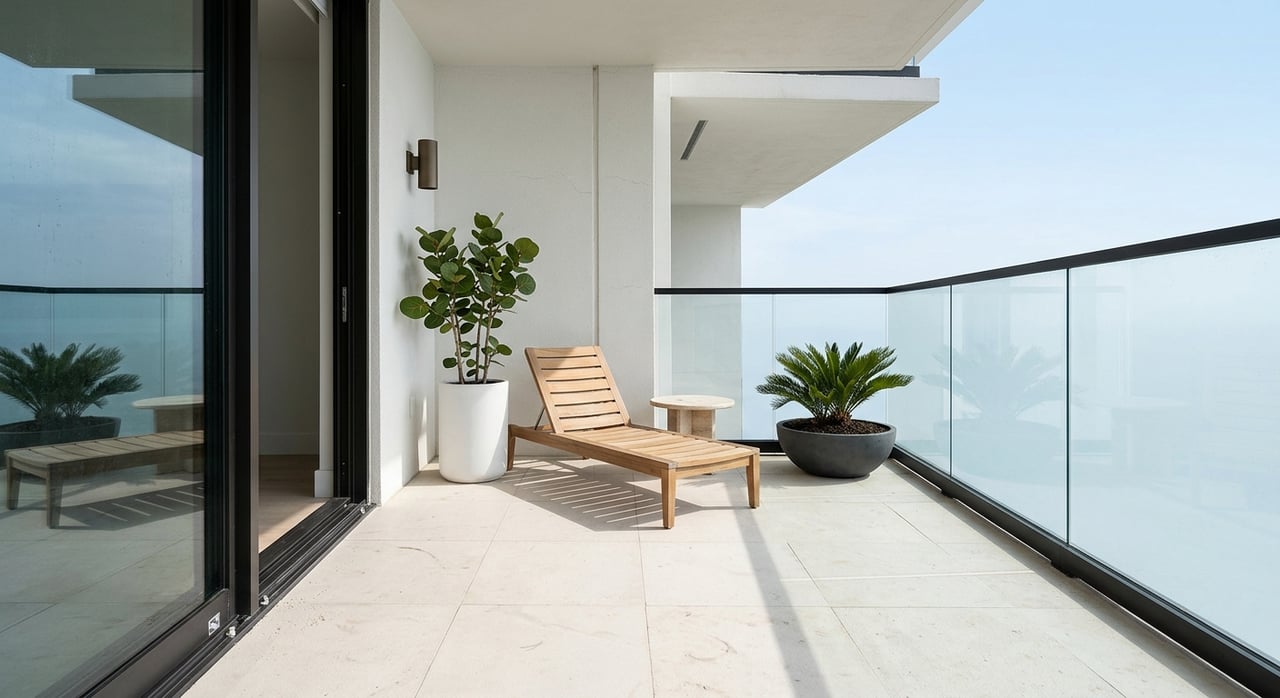
Buying an oceanfront condo in Sunny Isles Beach can feel exciting at first glance, but the real decision goes far beyond the view. In this market, you need to look closely at how a building handles flood risk, inspections, reserves, insurance, and rental rules before you commit. If you want to make a smart purchase, this guide will help you evaluate the details that matter most and ask better questions along the way. Let’s dive in.
Start With the Building, Not the View
In Sunny Isles Beach, “oceanfront” is only the beginning of the story. The city notes that nearly all of Sunny Isles Beach is in a flood zone, and the entire city is in Storm Surge Planning Zone B, which makes flood exposure and building readiness a core part of condo due diligence. The city also launched a property-level flood risk portal so residents and professionals can review flood data and elevation documents by address.
That means your evaluation should focus on documented facts, not just marketing language. A beautiful unit may still come with meaningful questions about insurance, repairs, reserves, or access. In Sunny Isles Beach, strong due diligence helps you understand not only what you are buying today, but also what ownership may look like over time.
Check Beach Access Carefully
Not every oceanfront condo offers the same beach experience. The city maintains a beach access map showing multiple access points along Collins Avenue, including locations like Samson Oceanfront Park at 17425 Collins Avenue, Pier Park Beach Access at 16501 Collins Avenue, and the Newport Fishing Pier access point at Sunny Isles Beach Boulevard and Collins Avenue.
This matters because “beach access” can mean different things from one property to another. A building may offer direct access, shared access, or practical access through a nearby public entry or park. It is worth confirming how you actually get to the beach, whether parking is available nearby, and what amenities such as showers, restrooms, or bike racks are part of that access point.
Daily beach use also comes with city rules and operations that can affect your lifestyle. According to the city’s beach safety guidance, lifeguards monitor the ocean daily during posted hours, and beach rules govern where people can swim and how emergency access lanes must remain clear. If beach convenience is a major reason you are buying, it helps to understand how the public side of beachfront living works in practice.
Review Building Age and Inspection Timing
A condo’s year built is important, but it is not enough on its own. In Sunny Isles Beach, coastal buildings face specific inspection and recertification requirements that make the building’s actual compliance history much more important than a listing description.
Under the city’s building recertification program, properties generally must be recertified at 30 years of age and every 10 years after that. For condominium and cooperative buildings that are three stories or taller, located within three miles of the coastline, and built on or after 1998, recertification begins at 25 years and then continues every 10 years.
Florida’s milestone inspection law adds another layer. Condominium and cooperative buildings that are three habitable stories or higher must complete milestone inspections by December 31 of the year they turn 30, with repeat inspections every 10 years after that. In coastal areas, local enforcement agencies may require the first inspection at 25 years.
Ask the Right Inspection Questions
When you evaluate a specific building, ask for more than the age. You will want to know:
- When the certificate of occupancy was issued
- When the last milestone inspection was completed
- Whether a phase-two inspection was required
- Whether any structural or life-safety issues were identified
- Whether repairs were completed with permits and final inspections
These questions help you move from assumptions to documentation. In a coastal high-rise market, a building with a clear inspection trail and completed repair history is often much easier to evaluate than one with vague answers.
Study Reserves and Special Assessments
Monthly condo fees can be misleading if you do not look deeper. A lower fee may sound attractive, but it does not always mean the building is in stronger financial shape.
Under Florida condominium law in Chapter 718, association budgets must include reserve accounts for capital expenditures and deferred maintenance, including items like roof replacement, painting, and pavement resurfacing, along with other qualifying items. For associations that must complete a Structural Integrity Reserve Study, reserve amounts for covered items need to reflect that study’s findings.
For budgets adopted on or after December 31, 2024, unit-owner-controlled associations generally may not waive or underfund those required reserves. That makes reserve funding a major part of evaluating whether a building’s monthly costs reflect real upkeep needs.
Special assessments are separate from the annual budget and deserve their own review. Florida law states that a special assessment must be noticed in writing with a stated purpose, and the funds must be used for that purpose. If a building has low monthly fees but a pattern of large assessments, loans, or deferred projects, you may be looking at costs that simply have not shown up in the standard budget yet.
Understand the Role of the SIRS
In older or more complex coastal towers, the Structural Integrity Reserve Study is one of the most useful documents you can review. Florida law requires residential condominium associations to complete a SIRS at least every 10 years for each building that is three habitable stories or higher.
The study covers major components such as:
- Roof
- Structure
- Fireproofing and fire protection systems
- Plumbing
- Electrical systems
- Waterproofing
- Windows and exterior doors
- Other items with deferred maintenance or replacement cost above the statutory threshold
A good SIRS gives you a clearer picture of remaining useful life, estimated replacement costs, and reserve funding needs. For buyers, this can offer a more realistic sense of future ownership costs.
Factor In Flood and Insurance Costs
In Sunny Isles Beach, insurance should never be treated as an afterthought. The Florida Office of Insurance Regulation notes that standard homeowners policies usually do not cover flooding, and flood insurance is purchased separately. Flood coverage is available for homeowners, condo unit owners, renters, and businesses, and lender requirements may vary by location.
Because nearly all of Sunny Isles Beach is in a flood zone, flood-related costs and underwriting questions should be part of your evaluation from the start. FEMA information cited by the state explains that properties in the Special Flood Hazard Area face at least a 26% chance of flooding over a 30-year mortgage. In practical terms, you should ask how flood exposure, insurance requirements, and storm-readiness planning affect the total monthly carrying cost.
Confirm Rental Rules Before You Buy
If rental flexibility matters to you, review the condo documents before you get too far into the process. In Sunny Isles Beach, a short-term vacation rental in a condominium or apartment is defined by the city as a unit leased or rented for six months or less.
According to the city’s short-term vacation rental FAQs, these rentals require a short-term vacation rental license and a local business tax receipt. The city also states that operators must have applicable state and county registrations, liability insurance, a rental agreement, proof of smoke and carbon-monoxide equipment, and either written condominium association consent or authority under the condominium bylaws.
The same FAQ notes that secondary subletting is not allowed for these vacation rentals, and condo documents may impose their own restrictions on rental frequency and minimum lease terms. So if you plan to use the property seasonally, as an investment, or as part of a relocation strategy, make sure the building rules actually support that plan.
Review the Core Condo Documents
In Florida, the most important condo documents are not optional reading. They are central to understanding what you are buying.
Under Florida condominium law, the association’s official records include the declaration, articles of incorporation, bylaws, rules, annual financial statements, budgets, and inspection-related records. These documents can help you verify maintenance obligations, use restrictions, financial health, and building condition.
As a buyer, your ideal document package usually includes:
- Declaration and rules
- Current annual budget
- Reserve schedule or SIRS
- Latest milestone inspection or recertification report
- Records showing permits and final inspections for major repairs
- Clear explanation of beach access and rental restrictions
This package can tell you much more than a brochure or listing description. It helps you assess whether the property is prepared for long-term coastal ownership.
Build Your Local Due Diligence Team
Oceanfront condo purchases often involve more moving parts than a typical home purchase. That is especially true if you are buying remotely, relocating from another state, or navigating an international move.
In addition to working with a local real estate advisor, it can help to bring in a Florida condo attorney, a lender familiar with condo underwriting, and an insurance professional who understands flood exposure. When a building’s repair or inspection history is unclear, a licensed architect or engineer can also add valuable insight. The city also hosts DBPR monthly resident support sessions, which can be a helpful local resource for condominium-related questions.
A Smart Buyer Checklist
Before you choose a Sunny Isles Beach oceanfront condo, make sure you can clearly answer these questions:
- How old is the building, and when was the certificate of occupancy issued?
- When was the last recertification or milestone inspection completed?
- Were any structural or life-safety issues identified and resolved?
- Is the association fully funding required reserves?
- Are there current or likely special assessments?
- What does beach access actually look like day to day?
- Do the condo documents allow your intended rental use?
- Are flood and insurance costs reflected in your real monthly ownership budget?
If you want help reviewing Sunny Isles Beach condo options with a practical, relocation-friendly lens, Caroline Perez can help you evaluate the building, the rules, and the true ownership picture before you move forward.
FAQs
What should you check first when evaluating a Sunny Isles Beach oceanfront condo?
- Start with the building’s flood exposure, inspection history, reserves, insurance requirements, and condo documents before focusing on finishes or views.
How does beach access work for Sunny Isles Beach oceanfront condos?
- Beach access can be direct from the building or tied to nearby public access points, parks, or shared entries, so you should verify the exact access location and amenities for that address.
What inspection rules apply to Sunny Isles Beach condo buildings?
- Depending on the building’s age, height, and coastal location, it may be subject to Miami-Dade recertification rules, Florida milestone inspections, or both.
Why do condo reserves matter for Sunny Isles Beach buyers?
- Reserve funding helps show whether the association is planning for major repairs and replacement costs or pushing those expenses into future special assessments.
Can you rent out a Sunny Isles Beach oceanfront condo short term?
- It depends on both city rules and the condominium’s governing documents, and short-term vacation rentals of six months or less require local licensing and other compliance steps.
What documents should you request before buying a Sunny Isles Beach condo?
- Ask for the declaration, bylaws, rules, current budget, reserve information or SIRS, latest inspection reports, and records of major repair permits and final inspections.