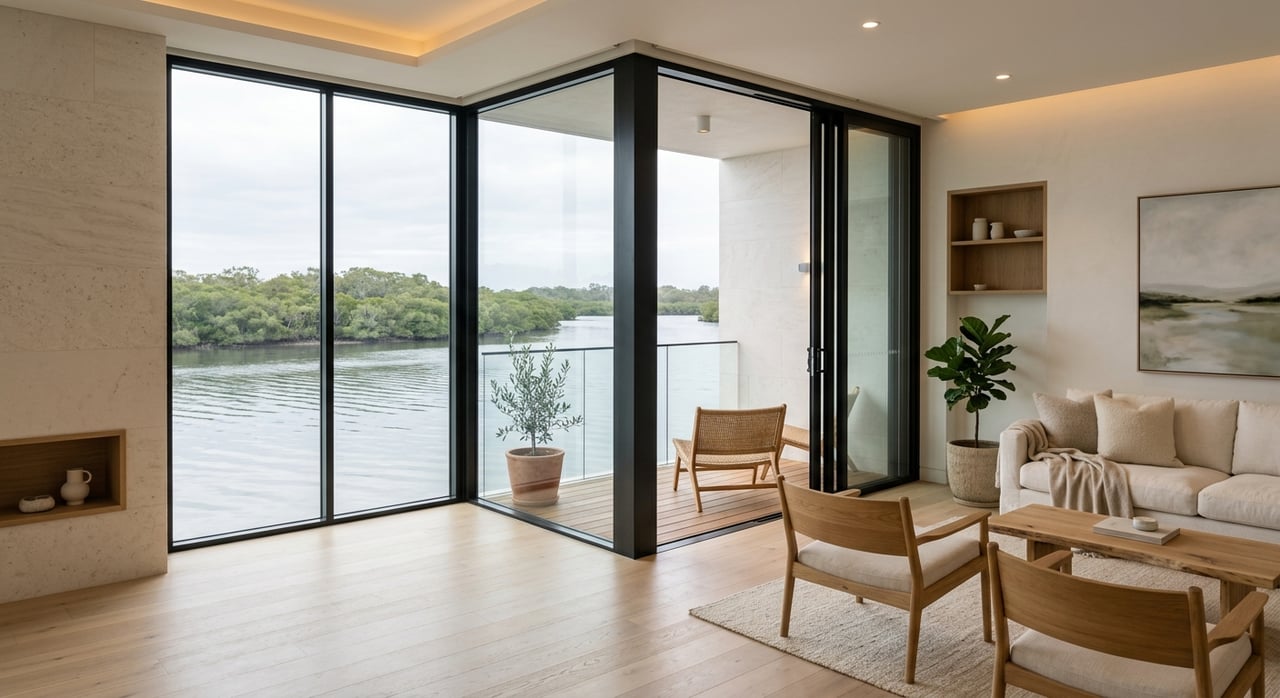
Buying a waterfront condo in Edgewater while you are out of state or abroad can feel exciting and complicated at the same time. You want the view, the lifestyle, and the right building, but you also need clarity on flood exposure, condo documents, inspections, and a remote closing process. The good news is that with the right checklist, you can make a smart decision from a distance and avoid last-minute surprises. Let’s dive in.
Why Edgewater waterfront condos require extra care
Edgewater is a waterfront community along the Indian River and next to Mosquito Lagoon, with access to riverwalk areas, boating, paddling, and fishing. For you as a condo buyer, that means the appeal is often tied to riverfront living, water access, and building location rather than open-ocean beachfront living.
That setting also changes your due diligence. In Edgewater, a waterfront condo purchase is often less about beach factors and more about flood zones, storm surge exposure, elevation, and the condition of building systems that face a coastal environment.
Start with flood risk first
If you are buying remotely, flood risk should be one of your first filters, not something you review near closing. The City of Edgewater states that flood risk can vary from property to property, even within the same neighborhood, and that some of the largest floodplain areas are in and along the Indian River Lagoon.
For waterfront condos, this matters because river flooding and coastal inundation are recognized local hazards. A building with a similar price point and similar view may carry a very different risk profile depending on its exact location, flood zone, and elevation.
What to request early
Ask for these items as early as possible:
- The property’s flood zone
- Any available elevation certificate
- Current insurance information, when available
- Recent building inspection documentation
- Reserve study information, if available
Edgewater also notes that elevation certificates are used for certain flood-zone rating purposes and map adjustments, and the city keeps records for qualifying properties. That makes elevation paperwork especially useful when you are comparing options from afar.
Why timing matters for flood insurance
The city states that standard homeowners insurance usually does not cover flood damage. It also notes that flood insurance is legally required when a property is in a special flood hazard area and the mortgage is federally backed.
Just as important, flood insurance policies typically take 30 days to become effective. If you are buying remotely, early insurance quotes can help you avoid a stressful surprise late in the contract period.
Treat condo documents like part of the inspection
In Florida, resale condo purchases come with a required disclosure package. Under state law, a seller of a nondeveloper resale condo must provide governing documents, rules, the annual financial statement and budget, the milestone inspection summary if applicable, and the most recent structural integrity reserve study, or a statement that one has not been completed.
This is not paperwork to skim. For a remote buyer, these documents often tell you as much about the purchase as the showing itself.
Key documents to review
For a resale Edgewater condo, you should expect to review:
- Declaration
- Articles of incorporation
- Bylaws and rules
- Annual financial statement
- Annual budget
- Milestone inspection summary, if applicable
- Most recent structural integrity reserve study, or notice that none has been completed
These records help you understand monthly costs, building governance, maintenance planning, and the building’s overall financial and physical posture.
Know the 3-day review window
Florida law gives buyers a 3-day cancellation right after receiving the required resale condo documents, excluding Saturdays, Sundays, and legal holidays. The law also allows a limited closing extension if documents are delivered late.
If you are buying from another state or another country, this short review period makes organization essential. You do not want the document package arriving while you are juggling travel, time-zone differences, or inspections that should have been lined up sooner.
Understand Florida’s building integrity rules
For many remote buyers, monthly dues get the most attention. In reality, one of the biggest questions is whether the building may face future repair costs or special assessments.
Florida law now places major focus on building condition, especially for residential condominium buildings that are three stories or higher. That matters in waterfront settings, where salt-water proximity can affect inspection timing and maintenance concerns.
Milestone inspections matter
State law requires milestone inspections for buildings three stories or higher by the end of the year the building turns 30, and every 10 years after that. The law also allows local enforcement to require inspections at 25 years when proximity to salt water is a factor.
For Edgewater waterfront condos, that is a key question to ask right away. You want to know whether the building has already completed the required inspection, whether one is pending, and whether the results point to major upcoming work.
Reserve studies matter too
Florida also requires structural integrity reserve studies for residential condominium buildings three stories or higher every 10 years. These studies must address items such as:
- Roof
- Structural components
- Fire protection systems
- Plumbing
- Electrical systems
- Waterproofing and exterior painting
- Windows and exterior doors
These categories are especially relevant for waterfront buildings because weather exposure, moisture, and exterior wear can affect long-term maintenance costs.
What this means for your budget
A condo’s monthly dues only tell part of the story. You also want to understand whether reserves appear adequate and whether deferred maintenance could lead to future assessments.
For a remote buyer, this is one of the clearest reasons to review financials, reserve information, and inspection summaries together. A beautiful unit with a great view can become a very different decision if the building may be heading toward major capital work.
Make your virtual tour more useful
A remote condo search works best when your first tour is more than a highlight reel. Instead of using the walkthrough only to confirm finishes and views, use it as a fact-finding session.
The most useful tours, whether live or recorded, should show the areas that connect directly to waterfront risk and building condition.
What your tour should cover
Ask to see:
- The unit entry and interior layout
- Balcony or terrace areas
- Window and door condition
- Any visible signs of water intrusion
- Parking and storage areas
- Lobby and common spaces
- Waterfront amenities such as docks, lifts, or marina access
This kind of tour helps you evaluate more than style. It gives you a better read on maintenance, exposure, and how the property functions day to day.
Build a remote workflow that keeps everything moving
When you are not local, the process needs structure. In Edgewater, the key moving parts often include flood-zone review, insurance quotes, condo-document review, inspection coordination, and closing logistics.
If handled one by one, these steps can create delays. If coordinated in parallel, they give you a much clearer picture early in the transaction.
A practical remote buyer sequence
A strong workflow often looks like this:
- Shortlist buildings and units based on location, water access, and basic fit
- Request the flood zone and any available elevation paperwork
- Schedule a live or recorded tour that includes unit and common-area details
- Review condo documents as soon as they are available
- Confirm milestone inspection status and reserve study information
- Order inspections and request insurance quotes in parallel
- Use a shared checklist and same-day recaps after each major step
This approach is especially helpful because the document-review window is short, insurance timing matters, and remote communication can slow down decisions if expectations are not clear.
Plan ahead for a remote closing
The good news is that Florida law supports remote closings. Florida allows remote online notarization, which means principals and witnesses may appear before the notary using audio-video communication technology, as long as the online notary is physically located in Florida.
For international buyers, the law also provides identification guidance. If the principal is outside the United States, a foreign passport without a USCIS stamp may be used as the government-issued identification credential for identity verification.
Remote witnessing rules to know
If a witness appears remotely rather than being physically present with the signer, the witness must verbally confirm that they are a U.S. resident or physically located in the United States or a U.S. territory at the time of witnessing.
The online notary and remote online notarization provider must also keep journal and recording records for at least 10 years. That creates a formal record that supports compliance and documentation.
How recording works in Volusia County
Volusia County’s clerk states that documents can be recorded in person, by drop box, by mail, or through eRecording. The clerk also notes that eRecording is commonly used by title companies, settlement agents, and lenders, and that many documents can be submitted 24/7.
For you, this means a remote closing should still follow a precise checklist. Conveyance documents need the full legal description, grantor and grantee information, witness information, and proper notarization.
Protect yourself after closing
If you plan to spend long stretches away from Florida, post-closing organization matters too. Volusia County offers searchable official records online and a Property Fraud Alert service that monitors new recordings using a monitored name.
For a remote owner, tools like these can be practical safeguards. They help you stay aware of what is recorded against your name even when you are not physically in the area.
Why local coordination still matters
A remote purchase is not just about finding the right unit. It is about keeping legal deadlines, flood review, insurance timing, building-condition research, and closing logistics aligned.
That is where strong local guidance adds value. If you want a clear, low-stress plan for buying a Florida waterfront condo from afar, Caroline Perez can help you stay organized, informed, and confident from search through closing.
FAQs
What should remote buyers verify first for an Edgewater waterfront condo?
- Start with the flood zone, any available elevation certificate, and the building’s general waterfront exposure before you move deeper into the purchase.
What condo documents are required for a Florida resale condo purchase?
- For a nondeveloper resale condo, Florida law requires documents such as the declaration, articles of incorporation, bylaws and rules, annual financial statement, annual budget, milestone inspection summary if applicable, and the most recent structural integrity reserve study or notice that one has not been completed.
Why do milestone inspections matter for Edgewater condo buyers?
- Milestone inspections matter because Florida requires them for certain older condo buildings that are three stories or higher, and waterfront or salt-water-adjacent conditions can make building integrity a bigger issue.
Can you close on an Edgewater condo remotely from another state or another country?
- Yes, Florida allows remote online notarization, and Volusia County supports recording methods that help make distance closings possible when documents are prepared correctly.
Why should remote buyers request insurance quotes early for waterfront condos in Edgewater?
- Early insurance quotes are important because flood insurance may be required in some cases, standard homeowners insurance usually does not cover flood damage, and flood policies typically take 30 days to become effective.